How MindPomi Ranks Popular Brain Games and Organizes Skills
Games on this Popular Brain Games index are ordered by replayability, session completion consistency, and everyday versatility across browsers—starting with quick-hit daily challenges and fanning out into deeper deduction boards. Every puzzle runs right in your current tab with zero installers, pop-ups, or account walls.
Instead of mixing unrelated arcade clones together, MindPomi groups these nine favorites across four practical mental skills: Memory (holding changing tile coordinates in mind), Logic (ruling out impossibilities step by step), Numbers (planning merges or computing equations quickly), and Attention (resisting visual noise while scanning under time pressure).
Browse Popular Puzzles by Cognitive Pillar
- Memory: Pattern retention drills built around brief visual flashes and repeating spatial layouts.
- Logic: Constraint-satisfaction grids and peg feedback boards where careful deduction replaces guessing.
- Numbers: Both unhurried sliding power-of-two planning and high-tempo arithmetic sprints.
- Attention: Peripheral vision tables and color-word conflict challenges scored down to the millisecond.
Who Each Popular Puzzle Suits Best
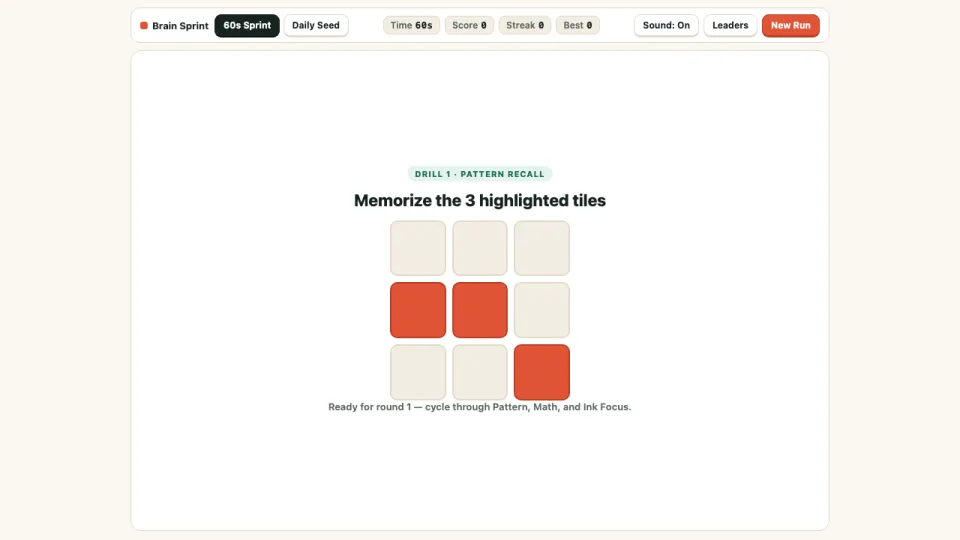
- MindPomi Brain Sprint — Best for busy players wanting a structured 60-second daily mix rotating through memory, arithmetic, and ink focus.
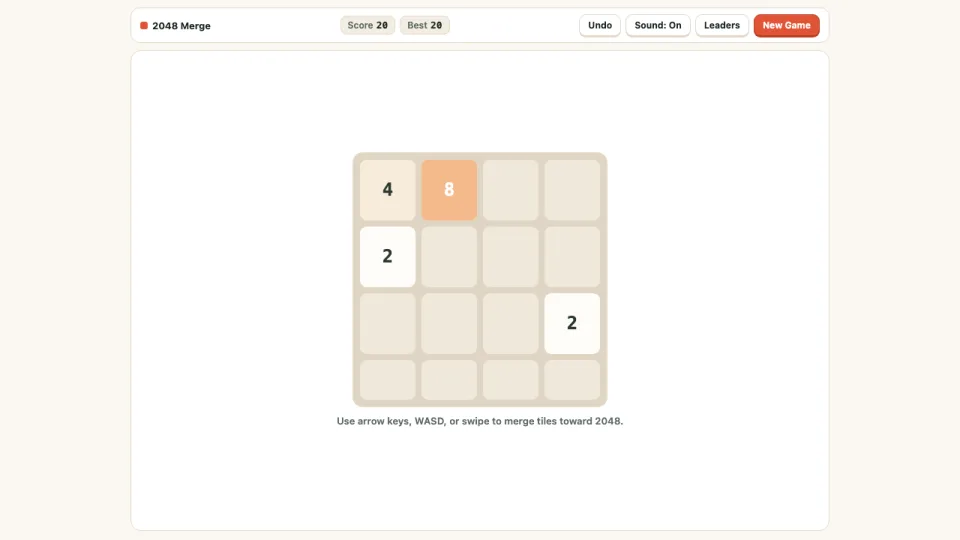
- 2048 Merge — Suits methodical planners who enjoy 3-to-10-minute sliding strategy runs with a forgiving 1-step Undo option.
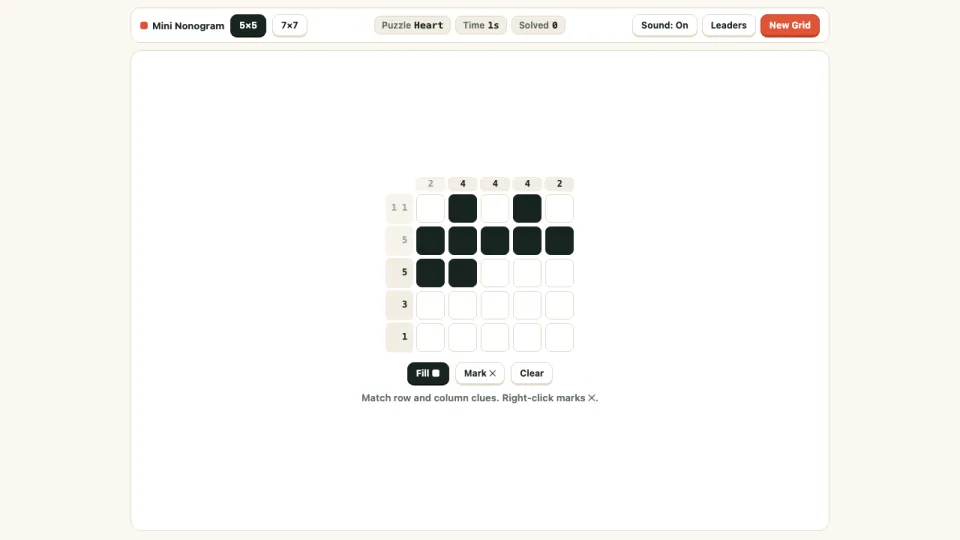
- Mini Nonogram — Ideal for picross fans seeking calm 2-to-8-minute 5×5 icons or deeper 7×7 logic picture grids.
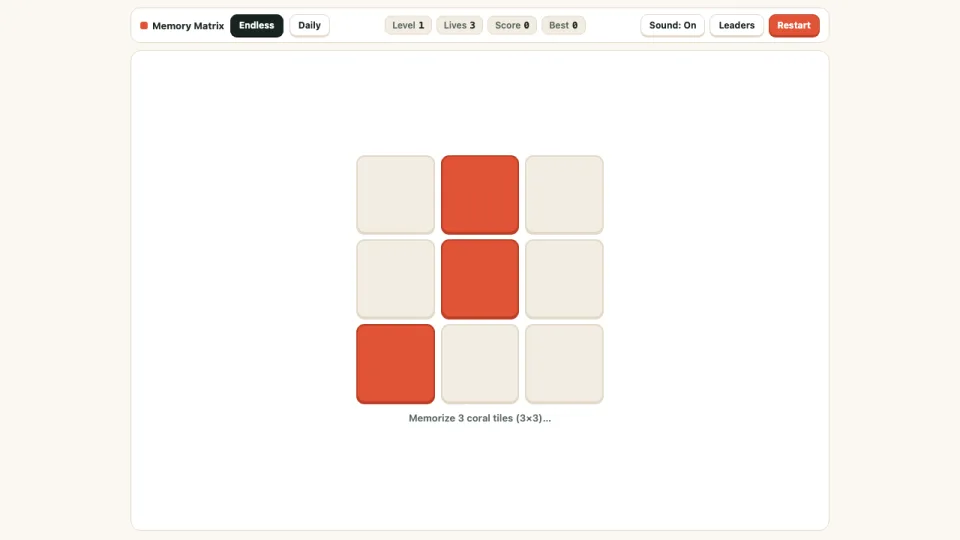
- Memory Matrix — Great for testing working-memory limits in compact 2-to-5-minute rounds that expand from 3×3 to 6×6.
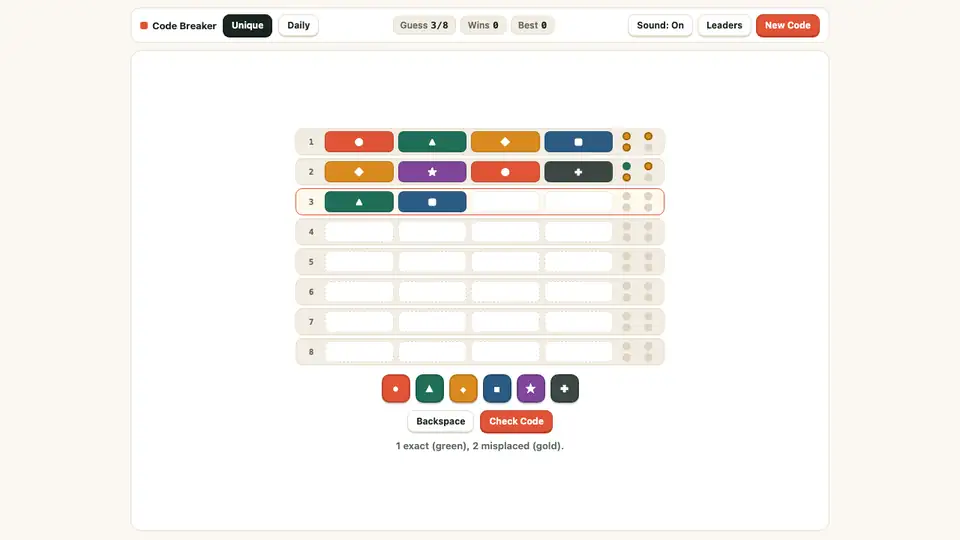
- Code Breaker — Built for fans of classic deduction puzzles who want 2-to-6-minute Mastermind-style reasoning with accessible shapes.
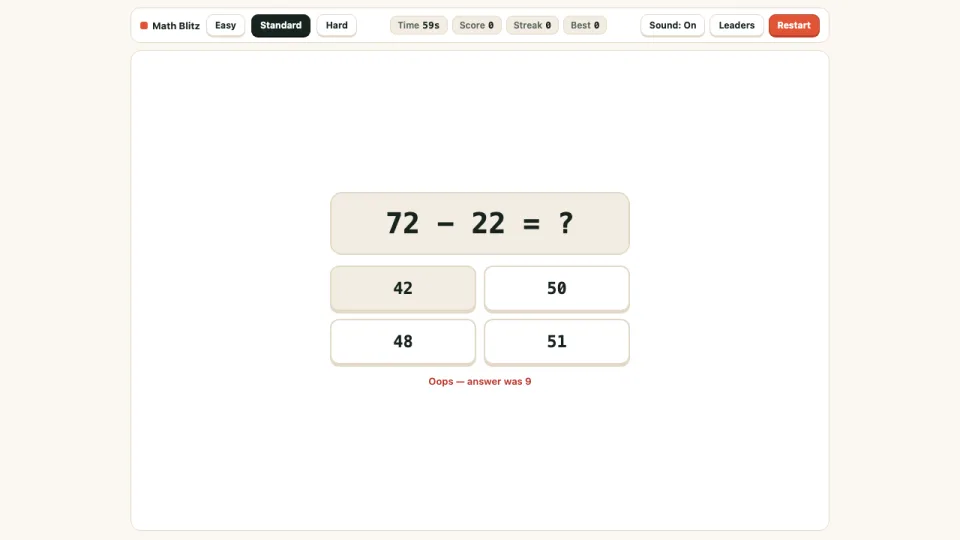
- Math Blitz — Fits commuters and learners honing fast mental calculation across a 60-second sprint with +2s streak bonuses.
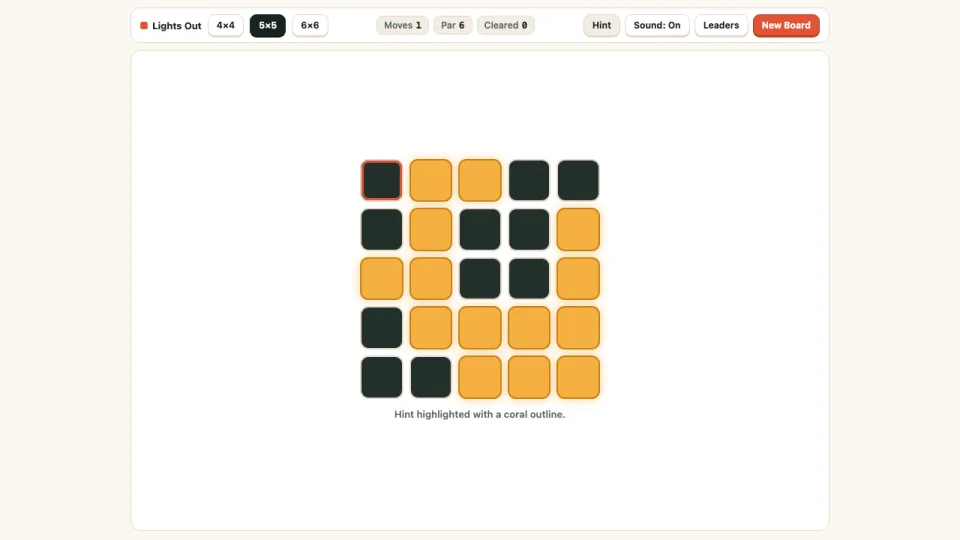
- Lights Out — Rewards analytical thinkers with 1-to-4-minute guaranteed-solvable binary toggle grids and Par move goals.
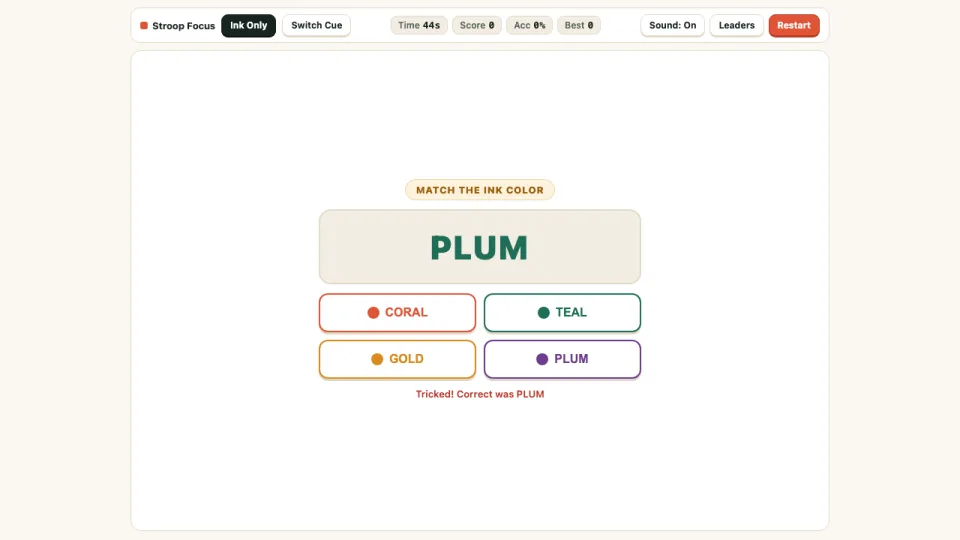
- Stroop Focus — Suits players measuring impulse control and task-switching latency in brisk 45-second color-word sprints.
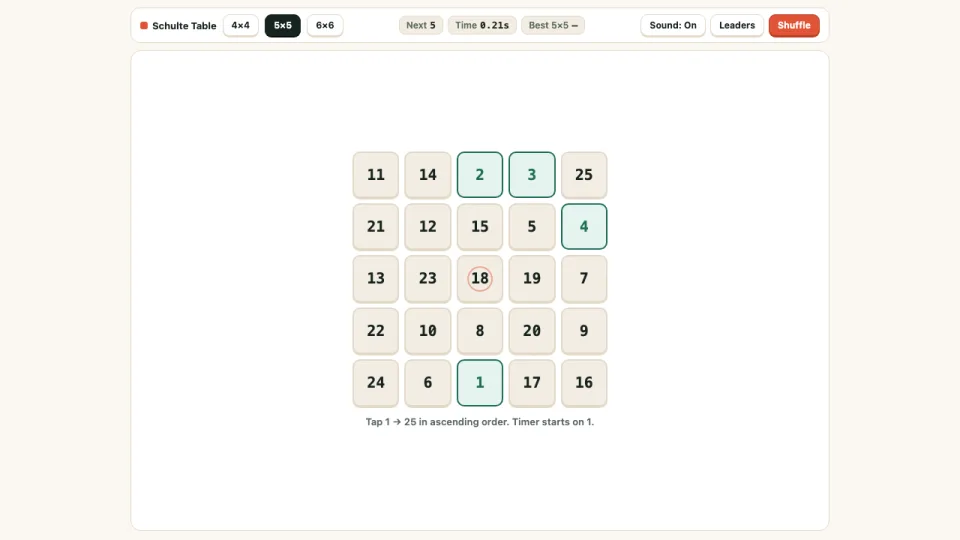
- Schulte Table — Tailored for speed-readers warming up concentration in 1-to-2-minute ascending number scans.
Popular Brain Games FAQ
Can I play all these popular MindPomi brain games on my phone?
Yes. Every game in the popular lineup runs in iOS Safari, Android Chrome, and desktop browsers, automatically adapting layout spacing and touch controls—like swipe gestures in 2048 Merge and the Fill/Mark toggle in Mini Nonogram.
Do I have to sign up or pay to unlock popular games?
No. Every title on MindPomi is 100% free to open and play with no account registration, email address, subscription, or app download required.
How long does a typical round take on MindPomi?
Timed sprints such as Brain Sprint, Stroop Focus, and Math Blitz run 45 to 60 seconds per round, whereas unhurried logic grids like Mini Nonogram, Code Breaker, and 2048 Merge usually take 2 to 10 minutes.
Which popular MindPomi puzzle should a first-time visitor start with?
Start with Memory Matrix on 3×3 or Lights Out on 4×4 if you want zero timer pressure while learning the studio interface, or launch MindPomi Brain Sprint if you want a 60-second taste of three skills at once.